

Applied Fuzzing and Vulnerability Analysis
Live On-Site / Live Virtual
Master Fuzzing for Vulnerability Discovery
Learn to integrate fuzzing into your Secure Development Lifecycle with hands-on triage analysis experience. Cover coverage-guided fuzzing, crash analysis, and vulnerability assessment.
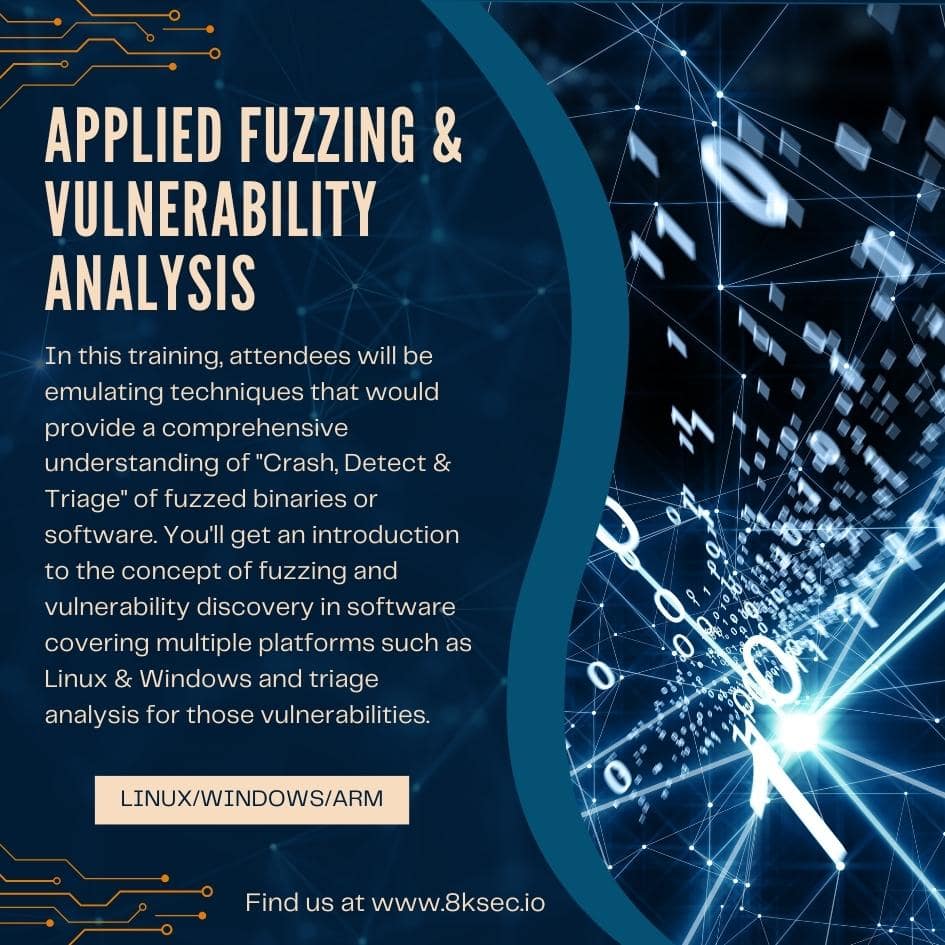
What You Will Learn
This training empowers you to harness the power of fuzzing, an automated technique that uncovers hidden vulnerabilities in software. Manual testing for these weaknesses in complex codebases is a struggle. Fuzzing automates this process, feeding your software unexpected inputs to expose cracks in its armor. By integrating fuzzing into your Secure Development Lifecycle (SDLC), you can proactively identify and fix vulnerabilities early, saving time and resources.
You will gain expertise across multiple fuzzing paradigms -- from coverage-guided fuzzing with AFL++ and libFuzzer to grammar-based and protocol-specific techniques. The course covers both Linux and Windows targets, including cross-platform fuzzing with QEMU for ARM binaries. Through hands-on labs, you will experience the complete "Crash, Detect, and Triage" workflow, learning to reproduce crashes, perform root cause analysis, and assess exploitability using sanitizers such as ASAN, MSAN, and TSAN.
By the end of this course, you will be equipped to set up continuous fuzzing infrastructure, integrate fuzzing into CI/CD pipelines, and systematically discover vulnerabilities in real-world software targets.
Key Objectives
- ✓Understand fuzzing fundamentals, mutation strategies, and coverage metrics
- ✓Set up and operate AFL++ for coverage-guided fuzzing
- ✓Write effective libFuzzer harnesses for targeted fuzzing
- ✓Manage corpus generation, minimization, and dictionary creation
- ✓Reproduce crashes and perform root cause analysis
- ✓Use ASAN, MSAN, and TSAN for exploitability assessment
- ✓Fuzz protocol implementations, file format parsers, and APIs
- ✓Perform cross-platform fuzzing with QEMU for ARM targets
- ✓Fuzz Windows binaries with WinAFL
- ✓Integrate fuzzing into CI/CD pipelines and continuous testing workflows
All our live trainings are highly customizable. We can tailor the content to cover topics specific to your team's needs. Contact us for more details.
Syllabus
Module 1: Fuzzing Fundamentals +
- •Fuzzing theory and types of fuzzers
- •Coverage metrics and instrumentation
- •Corpus generation and management
- •Mutation strategies and custom mutators
- •Address and memory sanitizers (ASAN, MSAN)
- •Setting up the fuzzing environment
- •Selecting and profiling fuzzing targets
Module 2: Coverage-Guided Fuzzing +
- •AFL++ internals and setup
- •libFuzzer harness writing
- •Instrumentation and compilation flags
- •Corpus minimization and dictionary creation
- •Parallel fuzzing and performance optimization
- •Improving code coverage with grammar-based approaches
- •Persistent mode for high-throughput fuzzing
Module 3: Crash Triage & Analysis +
- •Crash reproduction and deduplication
- •Root cause analysis methodology
- •Exploitability assessment with sanitizers (ASAN, MSAN, TSAN)
- •Analyzing targets with debuggers
- •Vulnerability classification and severity rating
- •Plotting and measuring code coverage improvements
Module 4: Target-Specific Fuzzing +
- •Protocol fuzzing and network target fuzzing
- •File format fuzzing with custom grammars
- •API and library fuzzing
- •Cross-platform architecture fuzzing with QEMU
- •ARM architecture introduction and ARM binary fuzzing
- •WinAFL internals and fuzzing Windows binaries
- •Fuzzing browser engines and SSL libraries
Module 5: Integration & Automation +
- •CI/CD integration for continuous fuzzing
- •Setting up ClusterFuzz and OSS-Fuzz
- •Fuzzing infrastructure design and scaling
- •Symbolic execution fuzzing
- •Integrating alerts and notifications with fuzzing stats
- •Reporting and vulnerability disclosure
- •Capture the Crash exercises
Prerequisites
To successfully participate in this course, attendees should possess the following:
- • Working knowledge of cybersecurity and pentesting fundamentals
- • Working knowledge of fuzzing concepts and corpus generation is recommended but not required
- • Basic Windows and Linux skills and command-line proficiency
- • Understanding of fundamental programming concepts and looping structures in at least one higher-level language
- • Basic Windows/Linux binary assembly knowledge is recommended but not required
Duration
3 Days
Ways To Learn
- Live Virtual
- Live On-Site
Who Should Attend?
Software developers, security engineers, QA engineers, and vulnerability researchers interested in automated testing.
Laptop Requirements
- • Laptop with 8+ GB RAM and 40 GB hard disk space
- • Cloud lab instances provided
- • Administrative access on the system
- • Setup instructions sent before the course
We Train Anywhere in the World
Can't make it to a public event? We deliver on-site training directly at your location. Our instructors travel worldwide — tell us where you are.
Your country not listed? We still travel there.
Get in TouchTrusted Training Providers
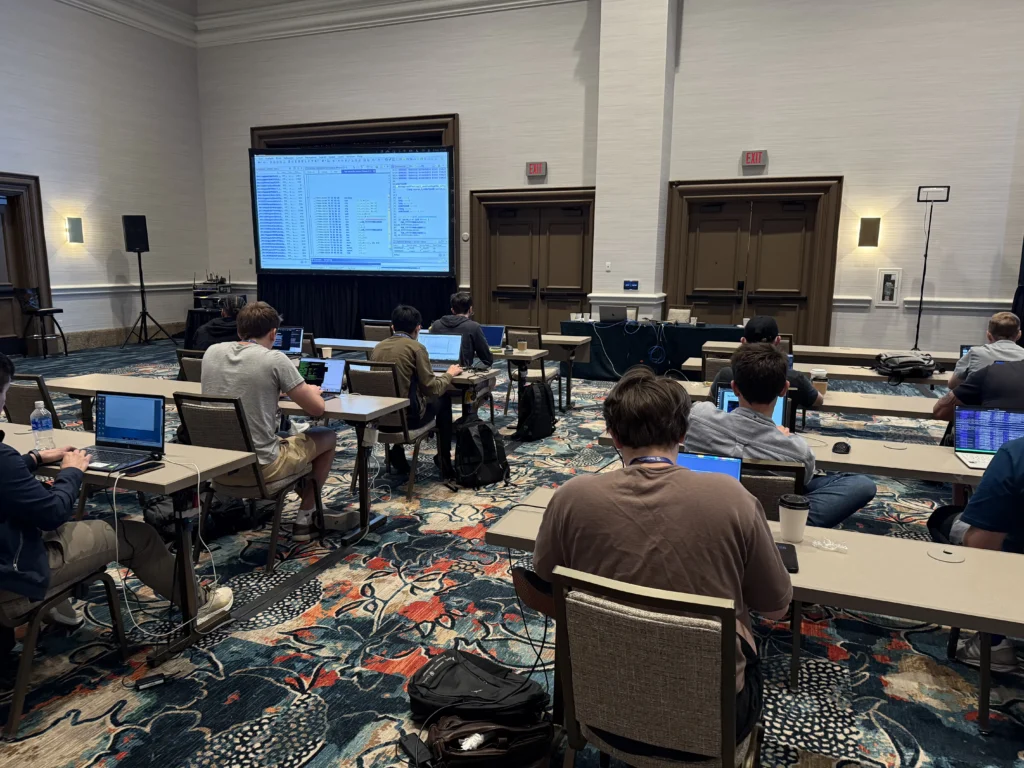
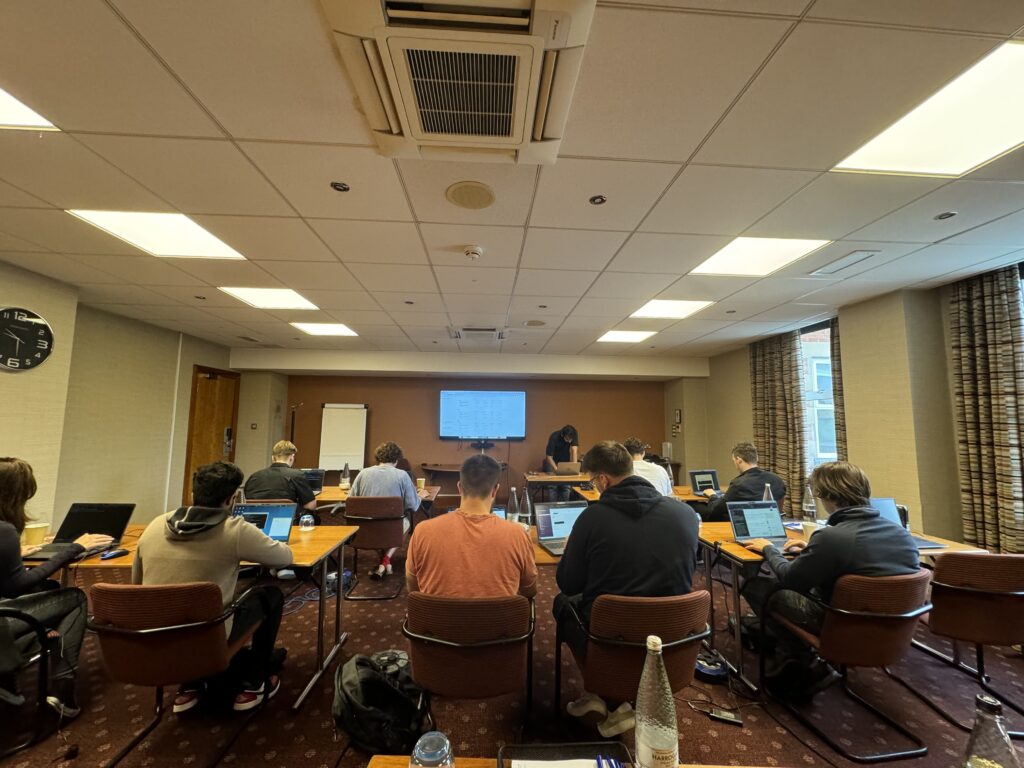
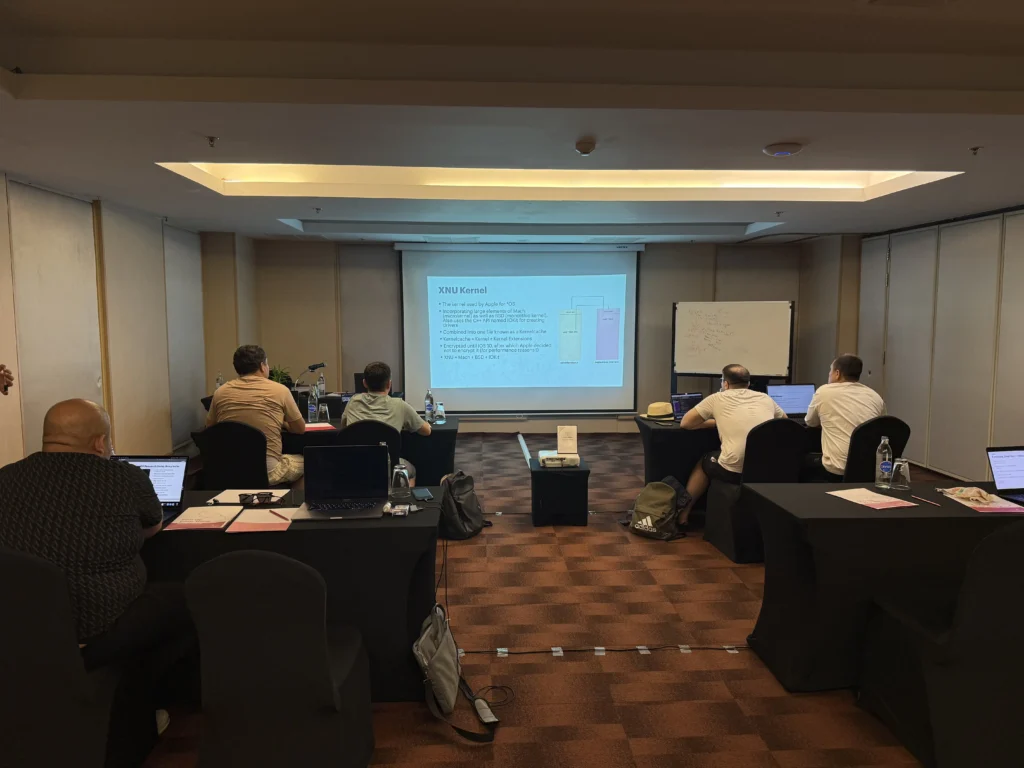
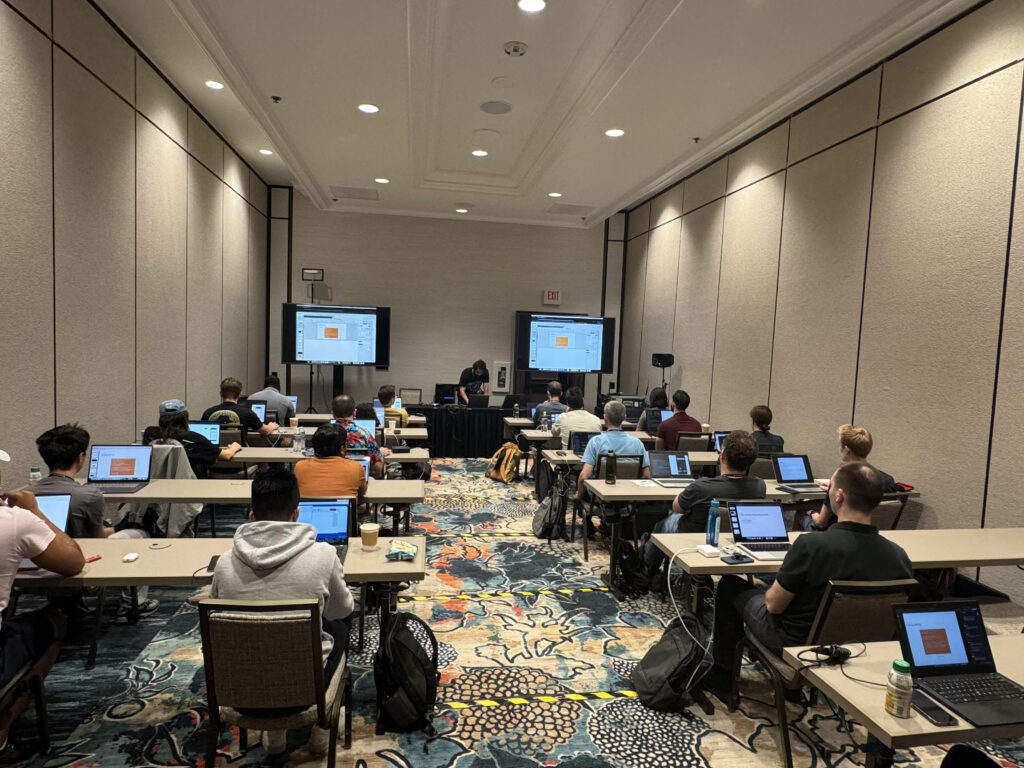
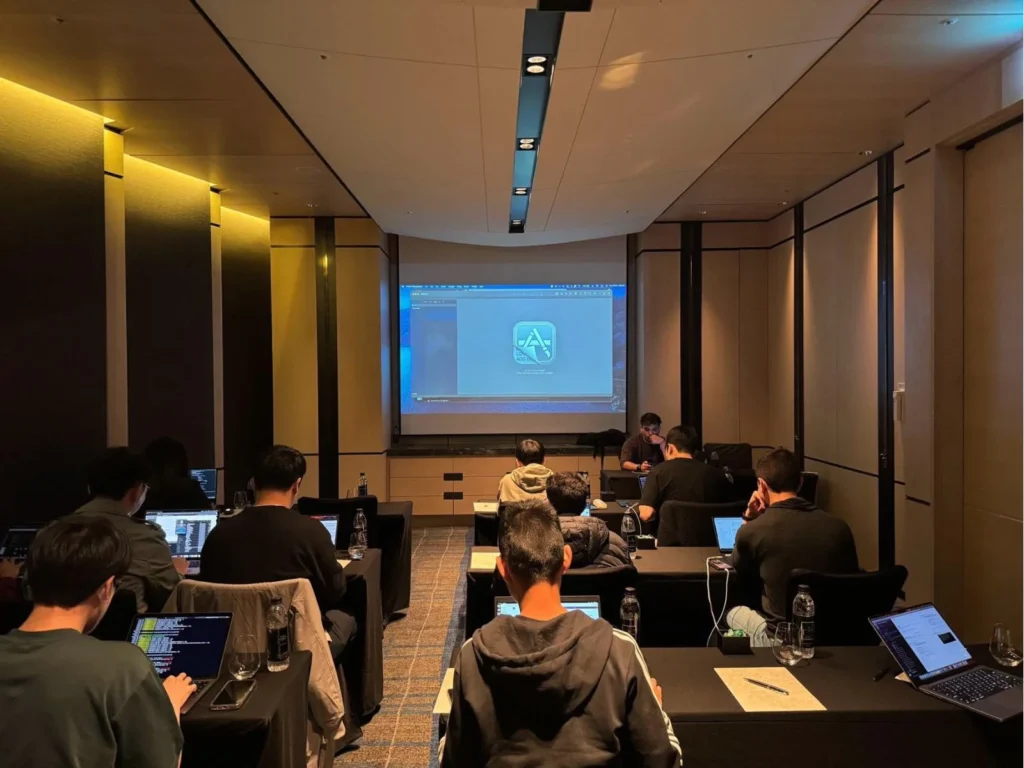
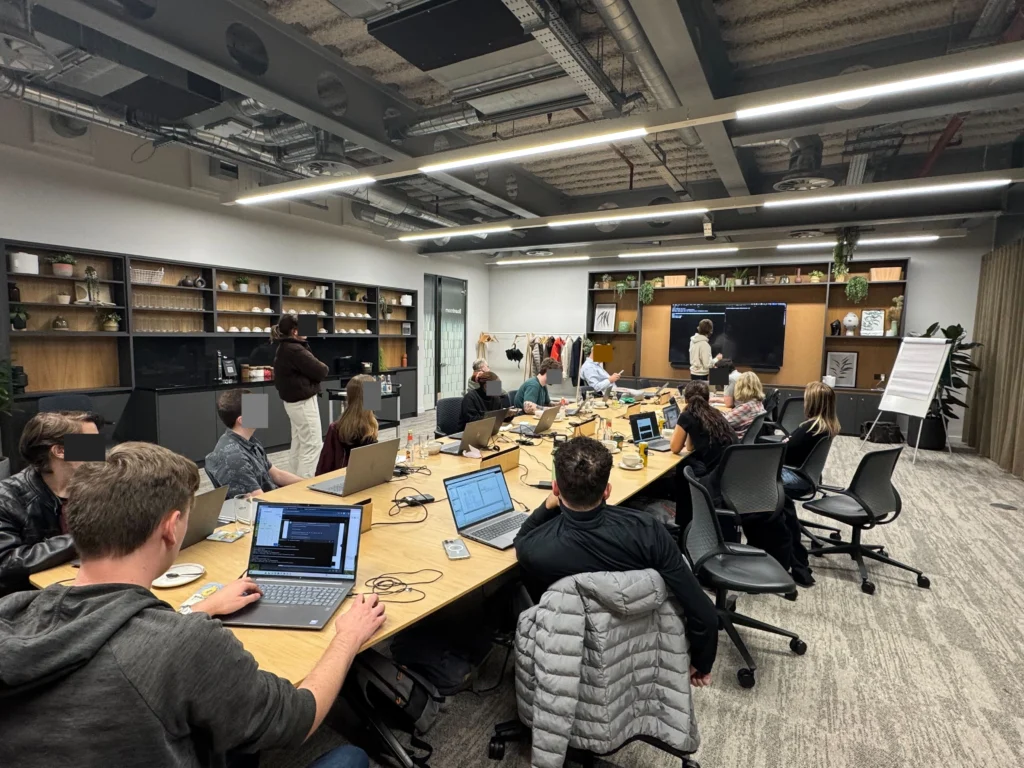
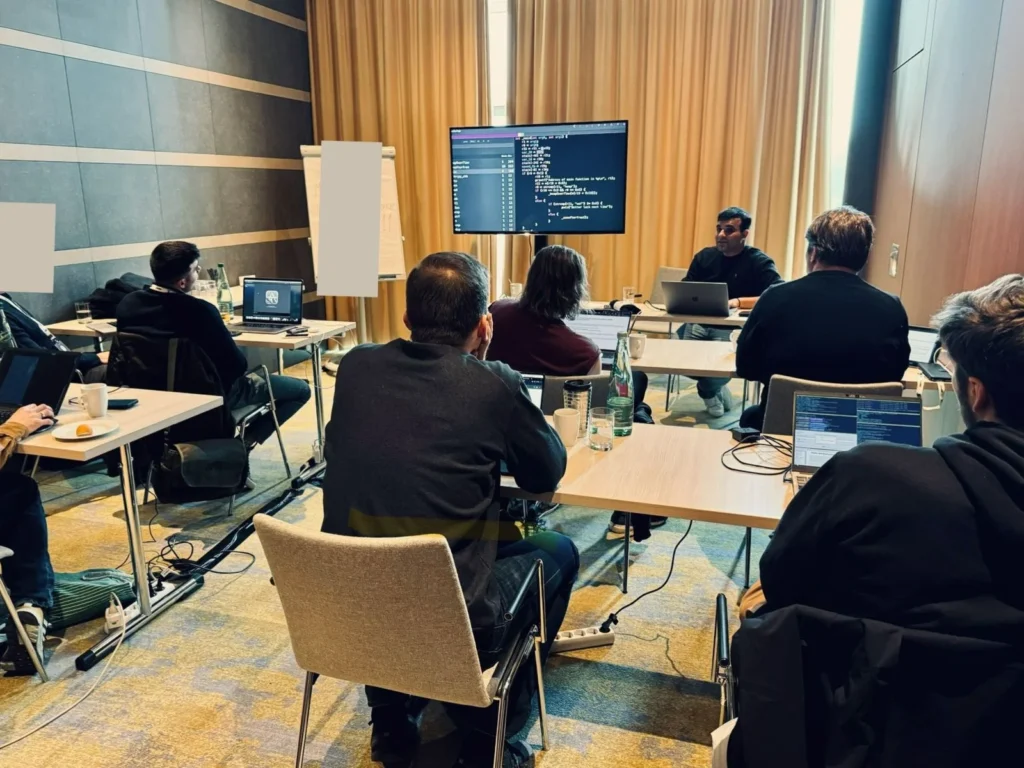
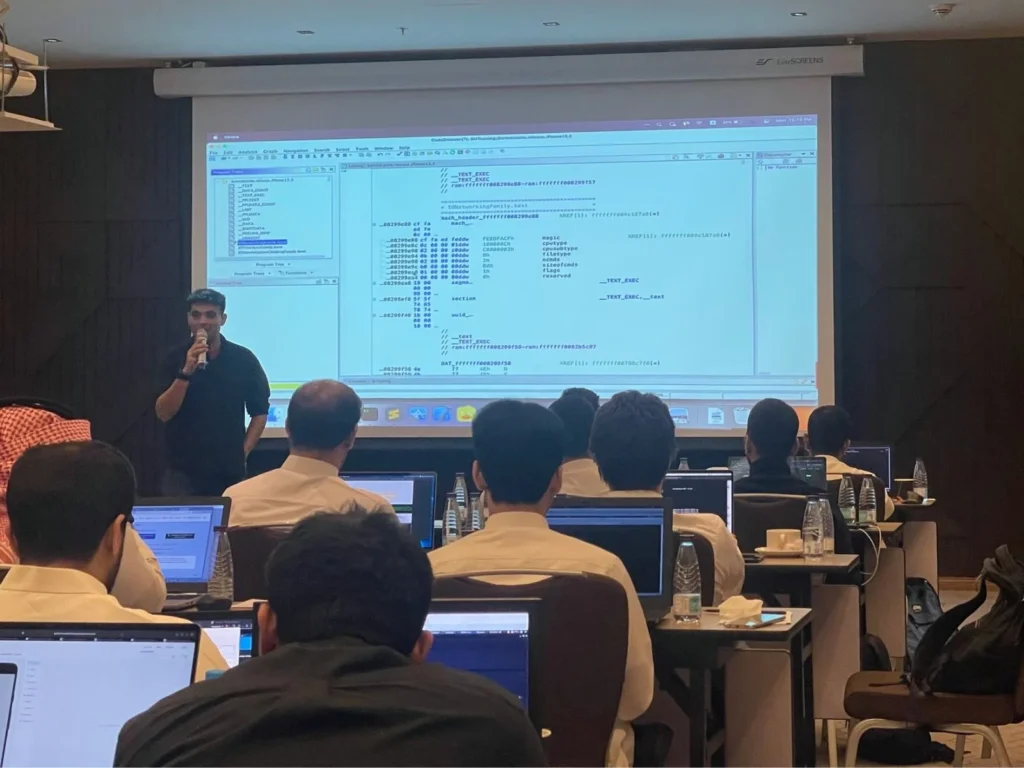
Our trainers boast more than ten years of experience delivering diverse training sessions at conferences such as Blackhat, HITB, Power of Community, Zer0con, OWASP Appsec, and more.
Take Your Skills To The Next Level
Our Modes Of Training
Live Virtual
Get in touch for pricing
Perfect for Teams in Multiple Locations
- Real-time interaction with expert trainers via Zoom
- Customizable content for your team
- Continued support after training
- Hands-on labs with cloud environments
Live On-Site
Get in touch for pricing
Perfect for Teams in One Location
- Real-time interaction at your onsite location
- Customizable content for your team
- Continued support after training
- Hands-on labs with cloud environments
FAQ
The information on this page is subject to change without notice.
Contact Us
Have a question or want to learn more about this training? Get in touch with us.
Our Location
51 Pleasant St # 843, Malden, MA, US, 02148
General Inquiries
contact@8ksec.io
Trainings
training@8ksec.io